
28th August 2026, A/Prof Chee L Khoo
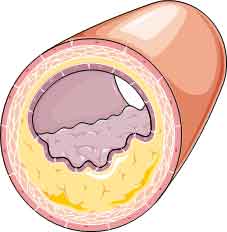
Atherosclerotic cardiovascular disease (ASCVD) is considered an inflammatory condition. Not only is inflammation central to the initiation of ASCVD, it is also responsible for the progression as well as the destabilisation of atherosclerotic plaque leading to ischaemia. This is in addition to the other well known risk factors (e.g. dyslipidaemia, smoking, hypertension etc) for ASCVD. The American College of Cardiology (ACC) now labels systemic inflammation as a actionable, modifiable CVD risk factor (1). Recent topline results from the ZEUS trial showed that the investigational interleukin (IL)-6 agent ziltivekimab failed to reduce major cardiovascular events in patients with high-risk heart plus kidney disease (2). Does that mean the end of the inflammatory hypothesis?
The Inflammatory Pathway
CV risk factors including systemic inflammation lead to reduction in nitrous oxide availability and increase in vascular endothelial permeability. This leads to accumulation, oxidation and aggregation of lipids in the subendothelial space. These abnormal lipids is phagocytosed by macrophages which lead to the formation of foam cells in the endothelial space. Monocytes in the subendothelial space are recruited and they differentiate into more macrophages.
M1 macrophages secrete pro-inflammatory cytokines including IL-6 and TNF-α while M2 macrophages secrete anti-inflammatory cytokines including IL-4, IL-10 and TGF-β. These macrophages. These cytokines provide a positive feedback loop to recruit and activate more monocytes and macrophages.
See Figure 1.
Connection between LDL, hsCRP and statin therapy
If you have high cholesterol, you’re going to have events at a higher rate, and if you have evidence of inflammation, you’re also going to have events at a higher rate. Nissen S et al. showed that in patients with coronary artery disease, the rate of progression of atherosclerosis is reduced by intensive statin treatment (3). Statin is also related to greater reductions in the levels of both atherogenic lipoproteins and CRP. Ridker et al also showed that in patients with low CRP levels after statin therapy, clinical outcomes are better compared with those with higher CRP levels, regardless of the resultant level of LDL cholesterol (4).
LDL-C and hsCRP appear to be very closely related to ASCVD but do people get plaques from cholesterol and does that then trigger inflammation? Or does inflammation trigger the development of plaques? We don’t quite know yet.
The evidence supporting the inflammatory theory stems from many sources. Pathologic specimens have shown inflammatory cells in plaques (5); observational studies have correlated serum levels of the inflammatory biomarker C-reactive protein (CRP) with cardiac events (6); and genetic studies have observed that variants of the interleukin-6 (IL-6) receptor, which mimic IL-6 blockade, predict lower ASCVD risk (7).
The data from anti-inflammatory drug studies have been less convincing. While there have been modest reductions in CV events in two trials of colchicine (COLCOT and LoDoCo2) (8,9) and CANTOS a post-MI trial of colchicine and a methotrexate study were null (10-12).
The ZEUS trial
Ziltivekimab is a human IgG1, κ monoclonal antibody that binds directly to the IL-6 ligand, preventing its interaction with the IL-6 receptor and inhibiting downstream inflammatory signalling. The ZEUS trial was a double‑blind, placebo‑controlled, event‑driven phase III trial looking at ziltivekimab in 6300 patients with known ASCVD, CKD and high hsCRP (> 2mg/L). The primary end point was 3‑point MACE (CV death, nonfatal MI, nonfatal stroke).
What does the ZEUS trial mean?
In the CANTOS trial, those treated with canakinumab who achieved on-treatment hsCRP concentrations less than 2 mg/L, cardiovascular mortality (HRadj=0·69, 95% CI 0·56–0·85, p=0·0004) and all-cause mortality (HRadj=0·69, 0·58–0·81, p<0·0001) were both reduced by 31%, whereas no significant reduction in these endpoints was observed among those treated with canakinumab who achieved hsCRP concentrations of 2 mg/L or above (10).
Specifically, CANTOS participants allocated to canakinumab who achieved on-treatment IL-6 levels below the median value of 1.65 ng/L at 3 months experienced a 33% reduction in expanded MACE (HR 0.67, 95% CI 0.57–0.80; P < 0.0001), a 57% reduction in cardiovascular mortality (HR 0.43, 95% CI 0.30–0.60; P < 0.0001), and a 54% reduction in all-cause mortality (HR 0.46, 95% CI 0.36–0.60; P < 0.0001) with prolonged treatment.
We do not have the full results from the Zeus trial yet but the press release from Novo Nordisk said that ziltivekimab did not reduce the primary endpoint vs placebo (hazard ratio, 0.99; 95% CI, 0.88-1.11). The null result occurred despite the observation that the monoclonal antibody against IL-6 did exactly what it was designed to do: reduce both IL-6 and hsCRP levels.
We await the full results and subanalysis of the ZEUS trial in the coming months to dissect more of the data. In the meantime, The 2024 ESC Guidelines for chronic coronary syndromes recommend considering biomarkers like hsCRP as potential risk modifiers to personalise risk assessment. While hsCRP is not mandated for routine screening in all patients, it is particularly useful in individuals with intermediate ASCVD risk to guide preventive strategies, patients with established ASCVD to assess residual inflammatory risk and situations where additional risk stratification may influence decisions on statin initiation or intensification
References:
- Mensah GA, Arnold N, Prabhu SD, Ridker PM, Welty FK. Inflammation and Cardiovascular Disease: 2025 ACC Scientific Statement: A Report of the American College of Cardiology. J Am Coll Cardiol. 2026 Mar 24;87(11):1381-1404.
- https://www.globenewswire.com/news-release/2026/07/31/3336733/0/en/novo-nordisk-provides-update-on-the-zeus-phase-3-trial-in-people-with-ascvd-ckd-and-inflammation.html. Accessed 20th August 2026
- Nissen SE, Tuzcu EM, Schoenhagen P, Crowe T, Sasiela WJ, Tsai J, Orazem J, Magorien RD, O’Shaughnessy C, Ganz P; Reversal of Atherosclerosis with Aggressive Lipid Lowering (REVERSAL) Investigators. Statin therapy, LDL cholesterol, C-reactive protein, and coronary artery disease. N Engl J Med. 2005 Jan 6;352(1):29-38.
- Ridker PM, Cannon CP, Morrow D, Rifai N, Rose LM, McCabe CH, Pfeffer MA, Braunwald E; Pravastatin or Atorvastatin Evaluation and Infection Therapy-Thrombolysis in Myocardial Infarction 22 (PROVE IT-TIMI 22) Investigators. C-reactive protein levels and outcomes after statin therapy. N Engl J Med. 2005 Jan 6;352(1):20-8.
- Ross, Russell. Atherosclerosis — An Inflammatory Disease. N Engl J Med 1999;340:115-126
- Ridker PM, Hennekens CH, Buring JE, Rifai N. C-reactive protein and other markers of inflammation in the prediction of cardiovascular disease in women. N Engl J Med. 2000 Mar 23;342(12):836-43.
- The Interleukin-6 Receptor Mendelian Randomisation Analysis (IL6R MR) Consortium. The interleukin-6 receptor as a target for prevention of coronary heart disease: a mendelian randomisation analysis. The Lancet, 2012; 379, 1214-1224
- Tardif JC, Kouz S, Waters DD, et al. Efficacy and Safety of Low-Dose Colchicine after Myocardial Infarction. N Engl J Med. 2019 Dec 26;381(26):2497-2505.
- Nidorf SM, Fiolet ATL, Mosterd A, et al; LoDoCo2 Trial Investigators. Colchicine in Patients with Chronic Coronary Disease. N Engl J Med. 2020 Nov 5;383(19):1838-1847.
- Ridker PM, Everett BM, Thuren T, et al; CANTOS Trial Group. Antiinflammatory Therapy with Canakinumab for Atherosclerotic Disease. N Engl J Med. 2017 Sep 21;377(12):1119-1131.
- Jolly SS, d’Entremont MA, Lee SF, et l; CLEAR Investigators. Colchicine in Acute Myocardial Infarction. N Engl J Med. 2025 Feb 13;392(7):633-642.
- Ridker PM, Everett BM, Pradhan A, et al CIRT Investigators. Low-Dose Methotrexate for the Prevention of Atherosclerotic Events. N Engl J Med. 2019 Feb 21;380(8):752-762.