
13th March 2026, A/Prof Chee L Khoo
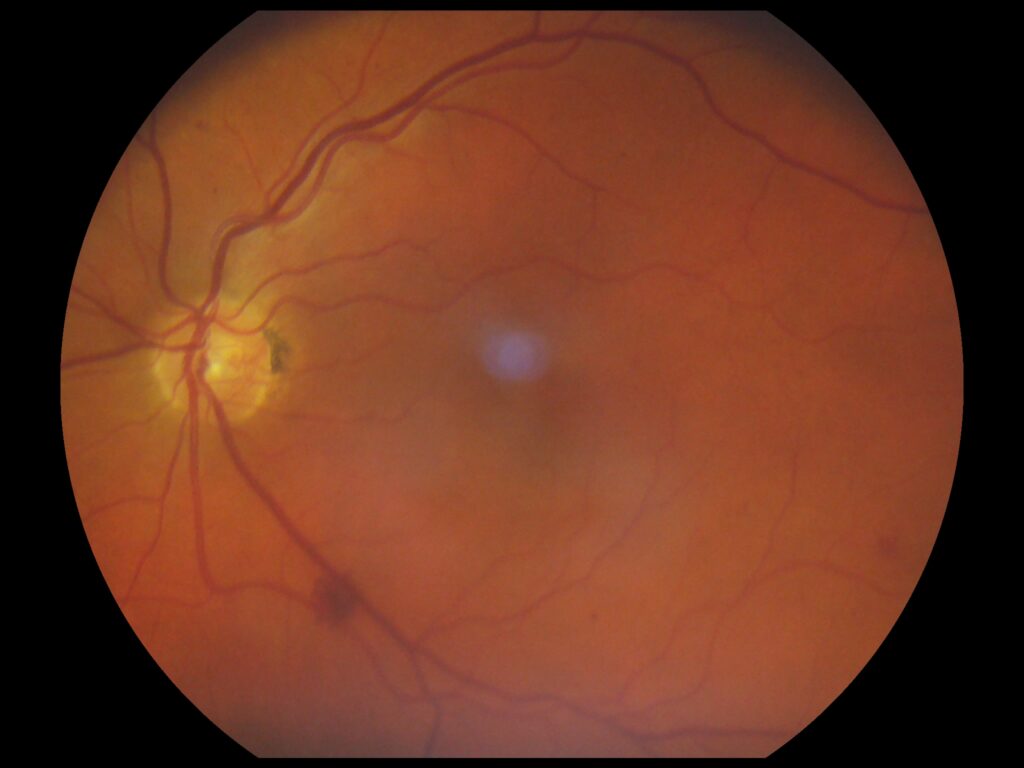
Diabetic complications are categorised as either microvascular or macrovascular. Microvascular complications are typically associated with suboptimal glycaemic control which damages the small capillaries that supply our retina, myocardium, kidneys and feet including the long nerves. The brain, in particular, is susceptible to damage by both big and small vessels. Thus, it is not surprising that patients with diabetic retinopathy (microvascular) are likely to have a higher risk of dementia. If it is enough to damage the eyes, it is enough to damage the brain.
The vascular complications of type 2 diabetes (T2D), such as diabetic retinopathy (DR), share features with vascular dementia (VD), including chronic vascular damage and endothelial dysfunction (1,2). In contrast, the connection between DR and Alzheimer’s dementia (AD) remains less well established, as AD involves numerous biochemical pathways and distinct mechanisms beyond microvascular disease (3,4).
Khangura M et al not only explored the connection between DR and AD but also looked into whether the severity of the DR is linked to the risk of AD (5). This was a retrospective cohort study using data from the TriNetX Global Collaborative Network. Since dementia occurs later in life, only those over age 65 with at least one documented eye exam between January 1, 2010, and January 1, 2020, were included. Patients with diabetic macular oedema were excluded in order to cleanly assess the impact of DR stage with dementia.
4 cohorts were created:
(1) Proliferative DR (PDR)
(2) Non-proliferative DR NPDR,
(3) T2D without DR, and
(4) Nondiabetic controls.
Outcomes of interest included 3 types of dementia:
(1) All-cause dementia,
(2) Alzheimer’s Disease Dementia (AD), and
(3) Vascular Dementia (VD).
The results
769,930 individuals aged 65 and older who underwent an eye exam or OCT test between January 1, 2010, and January 1, 2020. Of these, 14,034 had PDR, 29,188 had NPDR, 208,640 had T2D without DR, and 447,054 were nondiabetic control participants. the mean duration of follow- up time was 2455 days (approximately 6.73 years) with a SD of 1369 days (3.77 years).
The presence and severity of DR in individuals with T2D was associated with a stepwise increase in risk of all-cause dementia and VD. The risk of both all-cause dementia and VD rose progressively with advancing DR severity, whereas the risk of AD did not. See Table 1.
| Table 1 | ||
| Comparator: | Hazard ratio | |
| Diabetes without retinopathy | PDR | NPDR |
| All cause dementia | 1.2 | 1.1 |
| Alzheimers dementia | 0.97* | 1.1* |
| Vascular dementia | 1.5 | 1.3 |
| *non-significant | ||
| Adapted from Khangura et al, Am J Ophthalmol. 2026 |
Compared to nondiabetic participants, individuals with T2D and any stage of DR had a higher risk of AD, suggesting that diabetes itself, rather than the severity of retinopathy, drives AD risk. See Table 2.
| Table 2 | |||
| Comparator: | Hazard ratio | ||
| Non-diabetes | PDR | NPDR | No retinopathy |
| All cause dementia | 1.6 | 1.4 | 1.3 |
| Alzheimers dementia | 1.2* | 1.2 | 1.1 |
| Vascular dementia | 2.1 | 1.9 | 1.4 |
| *non-significant | |||
| Adapted from Khangura et al, Am J Ophthalmol. 2026 |
Now, previous reports have confirmed that participants with T2D, even in the absence of DR, have an elevated risk of all-cause dementia, AD, and VD compared to non- diabetic individuals. Some of the proposed mechanisms implicated include hyperglycaemia, insulin resistance, induced oxidative stress, generation of reactive oxygen species in the brain, and subsequent neuronal loss leading to cognitive decline.
There have also been previous reports demonstrating the link between DR and VD but the number of patients in those studies were relatively small and they did not grade the severity of the DR. This latest study by Khangura et al not only confirmed the association but also link the severity of DR to all-cause dementia and vascular dementia.
The lack of association between DR and AD in this study is at odds with other studies in the past. Lee et al. reported an increased AD risk among individuals with DR (HR: 1.50), and a subsequent 2023 follow-up study by the same group suggested DR was an independent biomarker of AD, even after adjusting for renal disease and other confounders (6,7). Naturally, different cohort of patients and the different methodology used in the studies. Further, it was thought that the high mortality burden of PDR may have influenced the numbers as many participants may have died prior to the development of AD.
Mortality analysis revealed a stepwise increase in death rates with worsening DR severity with all DM groups compared with nondiabetic controls. See Table 3.
| Table 3 | |||
| Comparator: | Hazard ratio | ||
| Non-diabetes | PDR | NPDR | No retinopathy |
| Mortality risk | 2.14 | 1.53 | 1.23 |
| Adapted from Khangura et al, Am J Ophthalmol. 2026 |
The findings from Khangura aren’t really that surprising. The development of diabetic retinopathy reflects both duration of the diabetes as well as the degree of glycaemic control and is often used as a surrogate for diabetic severity. This pattern suggests that the degree of retinal microvascular damage may reflect the severity of systemic vascular burden (8). In addition, the microvascular pathways implicated in DR may parallel those driving cerebral small vessel disease and contribute specifically to cognitive impairment in VD.
This is a reminder that in patients with DR, it is not just their sight we should be worried about. We should be worried about their brain health and their mortality risk.
References:
- Biessels GJ, Despa F. Cognitive decline and dementia in dia- betes mellitus: mechanisms and clinical implications. Nat Rev Endocrinol . 2018;14(10)
- Chai YH, Han YP, Zhang JY, Zhou JB. Diabetic retinopathy and brain structure, cognition function, and dementia: a bidi- rectional mendelian randomization study. J Alzheimer’s Dis . 2024;97(3)
- Ahtiluoto S, Polvikoski T, Peltonen M, et al. Diabetes, Alzheimer disease, and vascular dementia: a population-based neuropathologic study. Neurology . 2010;75(13).
- Breijyeh Z, Karaman R. Comprehensive review on Alzheimer’s disease: causes and treatment. Molecules . 2020;25(24)
- Khangura MS, Spratt MA, Gao A, Manhapra A, Siegel NH, Chen X, Poulaki V, Ness S, Stein T, Subramanian ML. The Association Between Diabetic Retinopathy Severity and Dementia Risk: A TriNetX Longitudinal Cohort Study. Am J Ophthalmol. 2026 Feb 13;285:300-309.
- Lee CS, Larson EB, Gibbons LE, et al. Associations between recent and established ophthalmic conditions and risk of Alzheimer’s disease. Alzheimer’s Dementia . 2019;15(1).
- Lee CS, Krakauer C, Su YR, et al. Diabetic Retinopathy and Dementia Association, beyond diabetes severity. Am J Oph- thalmol . 2023:249
- Sato Y, Lee Z, Hayashi Y. Subclassification of preproliferative diabetic retinopathy and glycemic control: relationship be- tween mean hemoglobin A1C value and development of pro- liferative diabetic retinopathy. Jpn J Ophthalmol . 2001;45(5).